Physical Address
304 North Cardinal St.
Dorchester Center, MA 02124
Physical Address
304 North Cardinal St.
Dorchester Center, MA 02124

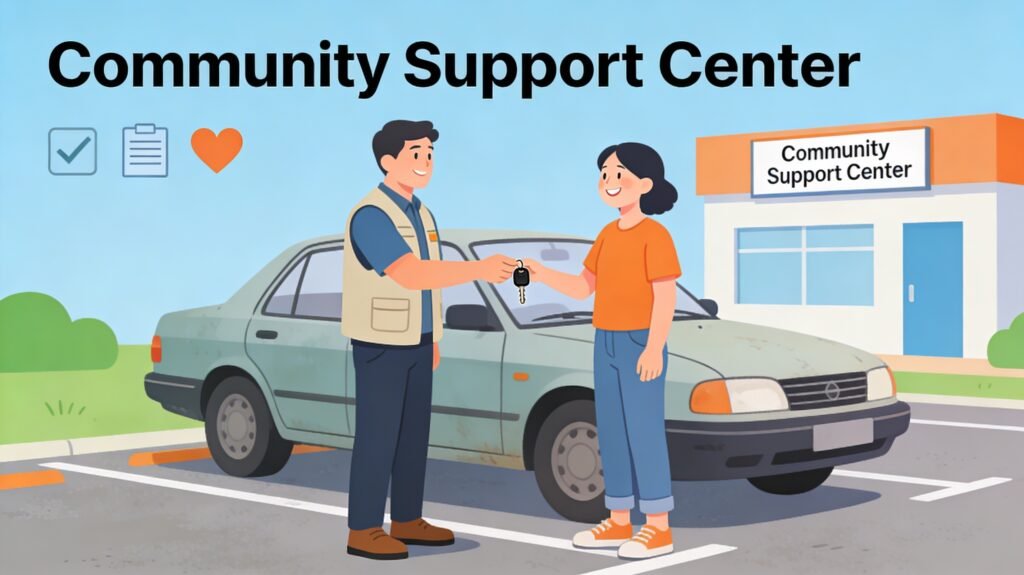
Getting a truly free car is possible, but it is not common. Most real programs help in one of four ways: they donate a used vehicle, connect you to a nonprofit car program, offer a no-interest or low-interest loan, or help repair the car you already own. The smartest approach is to apply to several legitimate programs at once and stay open to “almost free” options, not just full giveaways.
One of the best-known national options is Free Charity Cars. The organization says applicants generally must be U.S. residents, at least 18 years old, have a valid driver’s license, be at or below 200% of the federal poverty level, and show a real transportation need. It is one of the closest things to a true free-car program, but demand is high, so approval is not guaranteed.
Another important program is Vehicles for Change. Its official site says people usually cannot apply directly and instead need a partner agency or caseworker to submit an application. In some areas, the program provides restored vehicles to qualified families, though some recipients may still need to cover certain fees or use affordable financing.
A strong starting point is the Working Cars for Working Families directory from the National Consumer Law Center. It lists more than 100 nonprofit programs around the country that help low-wage working families through direct car distribution, low-interest loans, or matched savings programs. This makes it especially useful if there is no major national charity serving your area.
Some help comes through public benefit systems. TANF, the Temporary Assistance for Needy Families program, is federally funded but state-run, and states may use transportation-related support to help eligible families get or keep work. That help can include vehicle-related costs such as repairs, insurance, mileage, or even loan assistance tied to employment.
If you have a disability and need transportation to work or training, your state vocational rehabilitation agency may also be able to help. Federal rehabilitation guidance includes transportation-related support and can cover services tied to employment goals.
For local leads, 211 is one of the best tools available. United Way’s 211 connects people with nearby resources for transportation, food, housing, and other urgent needs. Since many car programs are small and local, calling 211 can uncover options that are hard to find online.
Other real options include Goodwill transportation programs, local workforce-board car programs, and state programs like Wisconsin’s Job Access Loan, which offers a no-interest loan of up to $1,600 to help people get or keep a job. Wisconsin also has the Employment Transportation Assistance Program, which supports individual solutions such as car repair or used-car loan programs.
The biggest key is being organized. Have your driver’s license, proof of income, proof of work or a job offer, benefit letters, and a short explanation of your transportation need ready. Also avoid scams: any site asking for upfront fees or guaranteed approval is a red flag. Real help does exist, but it usually comes through nonprofits, caseworkers, state programs, and local referrals, not flashy promises online.