Physical Address
304 North Cardinal St.
Dorchester Center, MA 02124
Physical Address
304 North Cardinal St.
Dorchester Center, MA 02124

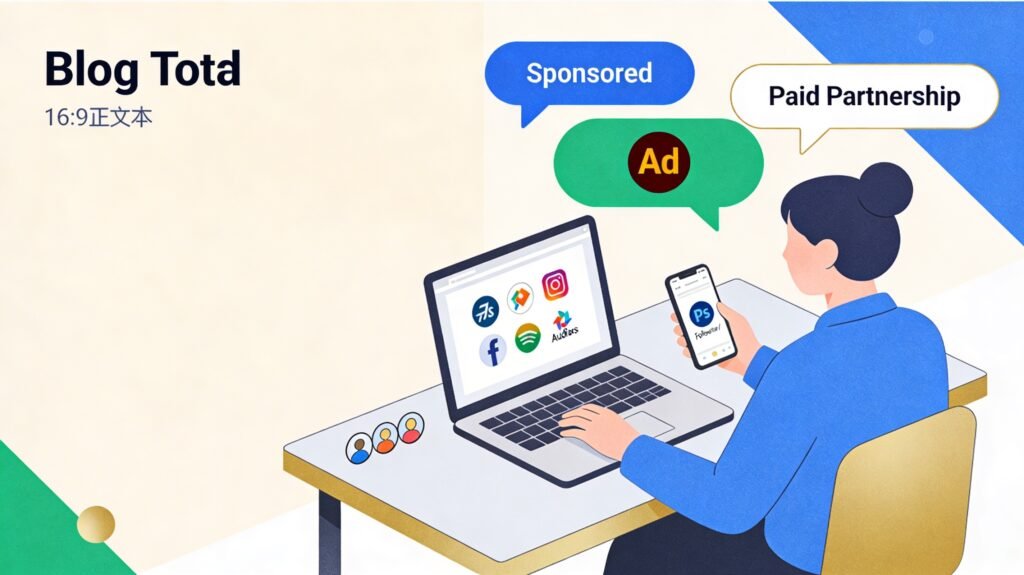
Sponsored posts are everywhere online today, from Instagram reels and TikTok videos to long‑form blog articles and YouTube reviews. They have become one of the most common ways for brands to reach new audiences and for creators, bloggers, and influencers to earn money from their content. Yet many people still do not fully understand what sponsored posts are, how they work, and how to use them without damaging trust.
A sponsored post is any piece of content that a brand pays a creator or publisher to produce and share with an audience. It might be a blog article, an Instagram carousel, a short‑form video, a YouTube segment, a podcast mention, or even a feature inside an email newsletter. The key detail is that the creator receives compensation—money, free products, or other benefits—in exchange for featuring the brand, product, or campaign.
Unlike traditional banner ads that sit separately on the page, sponsored posts are designed to blend into the creator’s usual style and topics. A blogger might write a detailed review, a YouTuber might film a tutorial using a specific tool, or an influencer might share a “day in my life” that includes a brand’s products. When done well, sponsored content feels relevant, useful, and authentic rather than like a loud interruption.
The main difference between sponsored posts and regular content happens behind the scenes. With sponsored content, the brand usually has some input, such as approving the topic, key messages, or a call‑to‑action. Regular content is created solely because the creator wants to share it. This does not mean sponsored posts have to be fake or biased. Many professional creators only accept collaborations with brands and products they genuinely like and would recommend anyway. The most effective sponsored posts read like a natural extension of what the creator already publishes.
Brands use sponsored posts because they leverage existing trust. Instead of running generic ads that many users ignore, a brand can partner with a creator whose audience already listens to their opinions and recommendations. Sponsored posts help brands reach targeted niches, build credibility by appearing beside trusted voices, showcase products in real‑life situations, and generate sales or sign‑ups in a more human way.
Creators and bloggers value sponsored posts because they provide a direct and often predictable income stream. Alongside display ads, affiliate links, and digital products, sponsored collaborations can help turn a passion project into a sustainable business. A single blog article, for example, might be sponsored by a brand, include affiliate links, and display standard ads all at once, creating multiple layers of revenue from one piece of content.
Transparency is one of the most important parts of making sense of sponsored posts. Readers and viewers should always know when content is paid for or created in partnership with a brand. Clear disclosures—such as “This post is sponsored by…”, hashtags like #ad or #sponsored, or spoken mentions in videos—are often required by law and are essential for protecting audience trust. In practice, honest disclosure usually strengthens credibility because followers appreciate honesty.
So what makes a good sponsored post? Strong sponsored content feels like content first and promotion second. It matches the creator’s normal tone and topics, provides real value through tips, ideas, tutorials, or reviews, and clearly explains how and why a product or service is helpful. The best posts include genuine opinions instead of sounding like a script, and they use natural‑looking photos, screenshots, or videos rather than overly staged ads.
If you want to start working with sponsored posts as a creator, you do not need a huge following. What you need is a clear niche, engaged followers, and consistent, high‑quality content. Define your topic, understand your audience, and publish helpful posts regularly. Then create a simple media kit with your stats and offerings, reach out to relevant brands or join influencer platforms, and begin with small collaborations. Over time, you can grow into larger campaigns and long‑term partnerships.
Ultimately, sponsored posts sit at the intersection of content, community, and commerce. When they are handled with transparency, relevance, and respect for the audience, they become a win‑win: brands gain targeted exposure, creators earn income, and followers discover products and services in a more natural, helpful way.