Physical Address
304 North Cardinal St.
Dorchester Center, MA 02124
Physical Address
304 North Cardinal St.
Dorchester Center, MA 02124
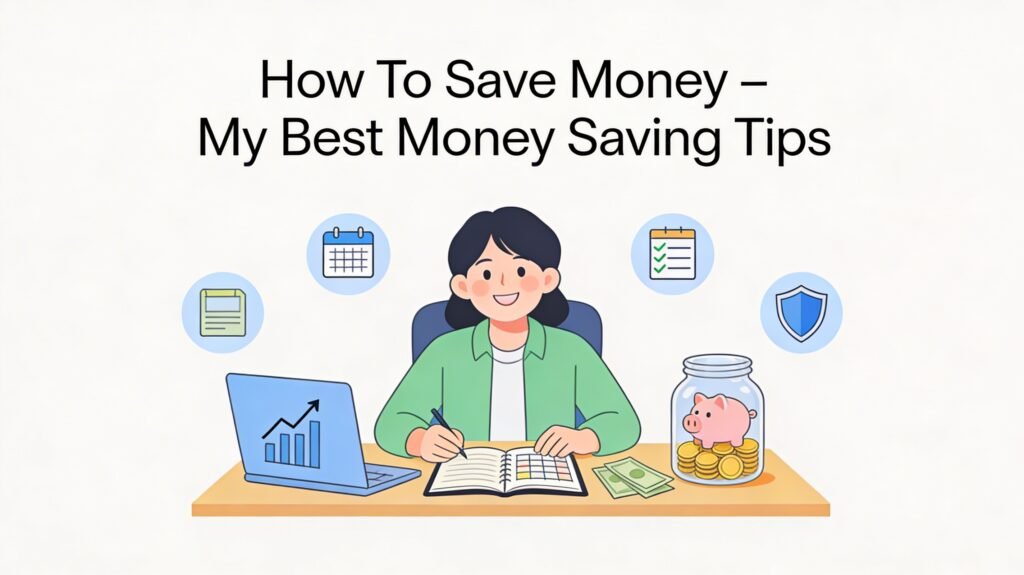
Saving money does not have to mean cutting all the fun out of life. In most cases, it comes down to being more intentional with your spending, building simple habits, and creating a system that helps you keep more of what you earn. Even if money feels tight, small changes can make a real difference over time.
The first step is knowing where your money actually goes. Many people feel like they should have more left at the end of the month, but small daily expenses, subscriptions, takeout, and impulse purchases often add up faster than expected. Tracking your spending for one month can give you a clear picture of what is helping you and what is quietly draining your money.
Once you understand your spending, it becomes much easier to create a simple budget. A budget is not meant to punish you. It is just a plan that gives every dollar a purpose. Start with your income, list your fixed bills, estimate your flexible expenses like food and gas, and choose a specific amount to save each month. Even a small savings target is better than hoping something will be left over.
One of the best money-saving habits is to pay yourself first. That means moving money into savings as soon as you get paid instead of waiting until the end of the month. Automatic transfers can make this much easier because they remove the temptation to spend that money first. Saving becomes a regular habit instead of a monthly struggle.
Another major part of saving money is reducing spending that does not add much value to your life. Impulse purchases, unused subscriptions, and emotional shopping can quietly destroy your budget. A good way to control this is to use a 24-hour rule for non-essential purchases. If you still want it after a day or two, then you can decide more clearly whether it fits your budget and goals.
Food is another area where many people can save without feeling miserable. Planning meals, shopping with a list, cooking at home more often, and using what you already have before buying more can cut costs quickly. Even preparing just a few extra meals at home each week can save a surprising amount over a month.
It is also smart to build an emergency fund, even if you start very small. Unexpected expenses like car repairs, medical bills, or home problems can throw you off completely if you have no savings. A few hundred dollars can already make a big difference, and over time you can build toward several months of basic expenses.
Saving money also gets easier when you have clear goals. It is much easier to stay motivated when you know what you are saving for, whether that is an emergency fund, a trip, a down payment, or paying off debt. Specific goals make your progress feel more real.
Finally, saving money works best when it becomes part of your normal life. It is not about perfection. It is about making better choices consistently. Track your spending, plan ahead, cut what you do not need, avoid lifestyle inflation, and save automatically whenever possible.
You do not need to change everything overnight. Start with one or two simple habits, stay consistent, and build from there. Over time, those small actions can lead to real financial progress and much more peace of mind.