Physical Address
304 North Cardinal St.
Dorchester Center, MA 02124
Physical Address
304 North Cardinal St.
Dorchester Center, MA 02124
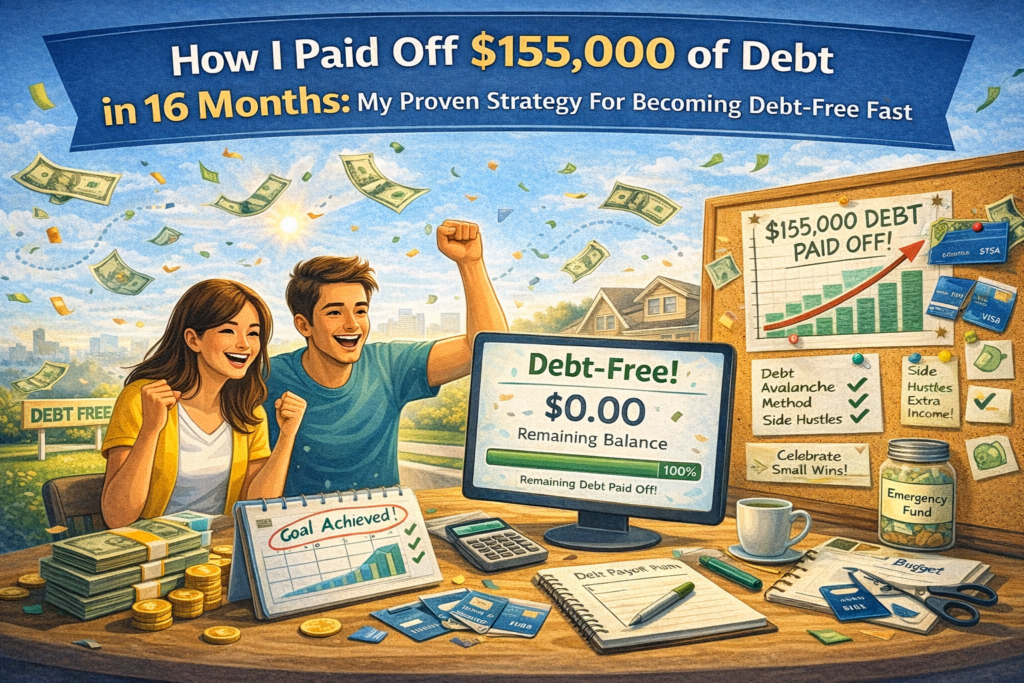
Paying off a large amount of debt may seem impossible at first, but with the right strategy and mindset, it can be achieved faster than most people think. In 2026, many individuals are overwhelmed by student loans, credit cards, and personal debt, often believing it will take decades to become financially free. However, by combining discipline, smart planning, and increased income, it’s possible to dramatically accelerate your debt payoff journey. The key is to treat debt elimination as a focused, short-term mission rather than a lifelong burden.
The first step is facing reality. Many people avoid calculating their total debt because it feels overwhelming, but clarity is essential. Listing every balance—credit cards, loans, and other obligations—gives you a clear target. Once you know your total, you can set a specific goal and timeline. A defined number transforms anxiety into a plan and allows you to take control of your financial situation instead of feeling stuck.
Next, creating a strict, bare-bones budget is crucial. This means prioritizing only essential expenses such as housing, food, and transportation while cutting back on non-essential spending. Dining out, subscriptions, and impulse purchases should be minimized or eliminated during this period. Every dollar saved should be redirected toward debt. Instead of asking, “Can I afford this?” the better question becomes, “Is this worth delaying my financial freedom?” This mindset shift is powerful and helps maintain focus.
However, cutting expenses alone is rarely enough for large debt amounts. Increasing your income is equally important. This can include taking on extra work, freelancing, selling unused items, or starting small side hustles. Even an additional few hundred dollars per month can significantly speed up your progress. The key is to treat extra income as debt repayment money—not as an opportunity to increase your lifestyle.
Choosing a clear payoff strategy helps maintain consistency. Two popular methods are the debt snowball, which focuses on paying off smaller debts first for quick wins, and the debt avalanche, which targets high-interest debts to save money over time. Whichever method you choose, consistency is what matters most. As each debt is paid off, the money previously used for that payment should be rolled into the next one, creating momentum and accelerating progress.
Automation also plays a major role in success. Setting up automatic payments ensures that money goes toward debt before it can be spent elsewhere. Separating accounts and tracking progress visually can help reduce temptation and keep you motivated. Small systems like these reduce reliance on willpower and make it easier to stay disciplined over time.
Staying motivated throughout the journey can be challenging, especially when sacrifices are required. Breaking your goal into smaller milestones makes the process more manageable. Celebrating small wins and reminding yourself of your “why”—whether it’s financial freedom, peace of mind, or future opportunities—can help you stay committed. Temporary sacrifices lead to long-term benefits.
In the end, becoming debt-free is not just about numbers—it’s about reclaiming control over your life. Once the debt is gone, the same habits used to eliminate it can be redirected toward savings, investments, and wealth building. By combining discipline, increased income, and a clear plan, anyone can take meaningful steps toward financial freedom and build a stronger future.