Physical Address
304 North Cardinal St.
Dorchester Center, MA 02124
Physical Address
304 North Cardinal St.
Dorchester Center, MA 02124
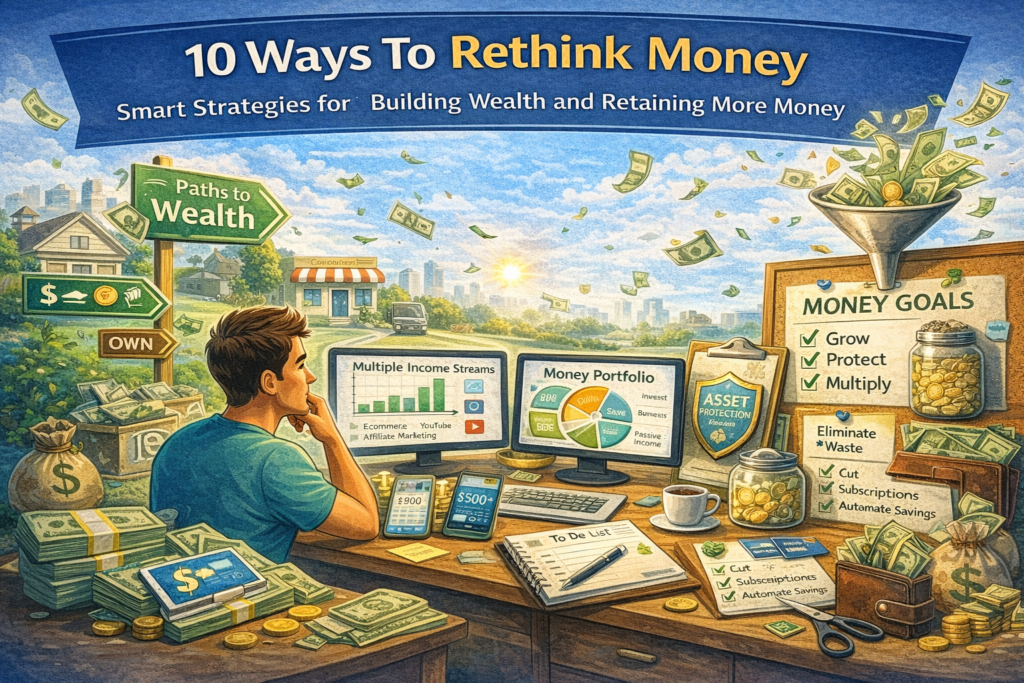
Rethinking how you manage money in 2026 is no longer optional—it’s essential if you want to keep more of what you earn and build real financial stability. Traditional advice like cutting small daily expenses or saving a fixed percentage is no longer enough in today’s fast-changing economy. Instead, the focus must shift toward controlling, protecting, and multiplying your money. By changing your mindset and using smarter strategies, you can create a system where your finances work for you instead of constantly feeling like a struggle.
The first major shift is to treat your income like a diversified portfolio rather than relying on a single source. Depending only on one job creates risk, because if that income stops, everything collapses. Building additional income streams—such as online businesses, digital products, or side hustles—creates stability and gives you more control over your financial future. At the same time, it’s important to build on platforms you own, like your own website or store, instead of relying entirely on third-party marketplaces that can change rules or suspend accounts without warning.
Another key concept is understanding that money tied up in inventory or unused assets is not truly working for you. Whether you run a physical product business or manage personal spending, keeping too much capital locked in one place limits your flexibility. Faster turnover and better financial flow mean your money stays active and available for opportunities. In addition, structuring your business properly—such as forming an LLC—can protect your assets and reduce risks, helping you keep more of what you earn over time.
Building assets that generate income without constant effort is also critical. Digital platforms like blogs, YouTube channels, or automated online businesses can continue producing revenue even when you’re not actively working. This type of income creates long-term leverage and reduces dependence on trading time for money. Alongside this, it’s important to view marketing differently—not as an expense, but as an investment in data and growth. When done correctly, advertising helps you understand your audience and scale your revenue predictably.
Equally important is avoiding high-risk financial distractions. While quick-profit opportunities like speculative investments may seem appealing, they often lead to losses. A smarter approach is focusing on consistent, reliable income sources that you understand and control. At the same time, every dollar you earn should have a clear purpose. Adopting a system where money is assigned specific roles—such as savings, reinvestment, or expenses—helps prevent waste and improves financial discipline.
Automation is another powerful tool that simplifies money management. Setting up automatic transfers for savings, taxes, or investments removes the need for constant decision-making and reduces the risk of overspending. Regularly reviewing your expenses is just as important. Many people lose money through unused subscriptions or unnecessary services. By auditing your finances every few months, you can eliminate waste and redirect that money toward more meaningful goals.
Finally, shifting your mindset about money can make a significant difference. Instead of seeing money as a way to display success, view it as a tool for creating freedom, security, and future opportunities. Focus on major financial decisions—like housing, transportation, and income growth—rather than small daily expenses. Think about the time you exchange for money and whether your spending reflects your true priorities. By treating money with intention and building systems around it, you can retain more, grow faster, and create a stronger financial future.