Physical Address
304 North Cardinal St.
Dorchester Center, MA 02124
Physical Address
304 North Cardinal St.
Dorchester Center, MA 02124

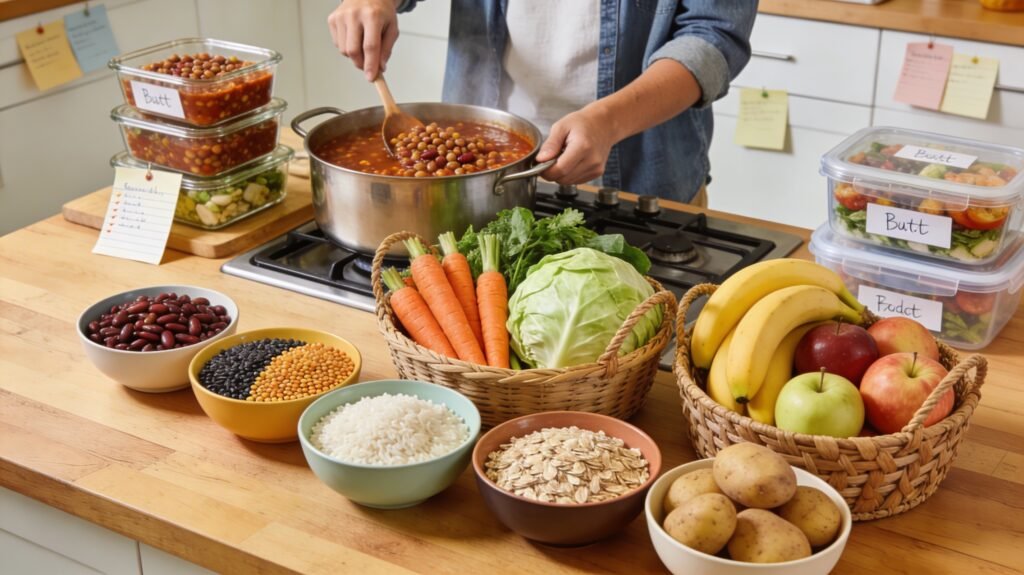
A vegan lifestyle does not have to drain your wallet; done right, it can become one of the most budget‑friendly ways to eat while still aligning with your health, ethical, and environmental goals. The key is ignoring the marketing hype around pricey “plant‑based” products and going back to what vegan eating is truly built on: simple, whole foods like beans, grains, vegetables, fruits, and seeds that consistently rank among the cheapest items in the store. Recent research even shows that shifting to a low‑fat or whole‑food plant‑based diet can cut food costs by roughly 16–25% compared with standard meat‑heavy diets, saving hundreds of dollars per year without sacrificing nutrition.
Instead of trying to recreate every meat‑ and dairy‑based meal with a processed alternative, build your plate from the ground up using budget “power foods” such as dried beans, lentils, tofu, brown rice, oats, potatoes, and seasonal produce. These staples deliver an impressive amount of calories, protein, and fiber per dollar, especially when purchased in bulk or as store brands, and they form the backbone of satisfying dishes like chilis, stews, stir‑fries, curries, and homemade veggie burgers. Think in terms of a simple formula—grain plus bean plus vegetable—then layer on flavor with inexpensive extras like onions, garlic, herbs, and spices, and you suddenly have dozens of cheap, filling meal combinations available every week. Global analyses confirm that when plant‑based diets lean heavily on these minimally processed staples instead of specialty products, they tend to undercut omnivorous diets on cost in most high‑ and middle‑income regions.
Where you shop matters almost as much as what you buy, so take advantage of “geo‑arbitrage” in your own city by favoring discount grocers, international markets, and store brands over upscale health‑food chains. Asian, Indian, and Latin American stores in particular often sell giant bags of rice and lentils, bulk tofu, canned tomatoes, and spices for a fraction of typical supermarket prices, while chains like Aldi or Lidl routinely stock accidentally vegan basics such as pasta, frozen vegetables, and peanut butter at rock‑bottom prices. Even within major supermarkets, shifting from premium labels to the generic options on the bottom shelves can shrink your bill dramatically, since many store‑brand beans, grains, and plant milks are made in the same facilities as their more expensive counterparts. Pair that with strategic produce sourcing—shopping seasonally, prioritizing sales, and relying on frozen fruits and vegetables when fresh options are overpriced or poor quality—and you slash both waste and overall costs.
Your real superpower, though, is cooking at home and systematizing your meals so you are not tempted by constant takeout or convenience foods. When you batch cook big pots of lentil chili, curries, pasta sauces, or rice‑and‑bean dishes, then portion and freeze them, you create a ready‑to‑grab stash of “instant” dinners that cost a few cents per serving but save you from $20 delivery apps on exhausted weeknights. Instead of prepping seven identical meals that lead to burnout, use a flexible “cook once, eat twice” protocol: double recipes you love, eat some now, and freeze the rest so future you always has variety without extra effort. Keep breakfasts and lunches simple and repeatable—oats with fruit, tofu scramble, hummus sandwiches, grain bowls built from leftovers—and rotate themed dinners like soup night, pasta night, stir‑fry night, and taco night, changing only the spices and veggies to stay interested. Making your own sauces and basics—such as vinaigrettes, hummus, peanut sauce, or tomato sauces—from cheap pantry ingredients multiplies the flavor of your meals while undercutting the high per‑ounce cost of bottled dressings and dips.
Finally, avoid the “vegan tax” by treating processed mock meats, artisanal nut cheeses, specialty ice creams, and pre‑made frozen meals as occasional treats rather than weekly staples. These highly marketed products are convenient, but they carry heavy markups that quickly erase the savings you gain from skipping meat and dairy, a pattern global cost reviews repeatedly identify as the main factor separating cheap plant‑based diets from expensive ones. You will still enjoy your favorite indulgences, but they will fit inside a thoughtful budget instead of dictating it. Combine this mindset with a commitment to reducing food waste—using up aging produce in soups and stir‑fries, freezing ripe bananas and leftover beans, keeping a “use first” section in your fridge—and your grocery bill becomes not just manageable, but a powerful lever in your overall financial strategy. In a world where food prices feel increasingly out of control, a whole‑food vegan approach offers a rare win‑win: more aligned with your ethics and the planet, and measurably easier on your bank account.