Physical Address
304 North Cardinal St.
Dorchester Center, MA 02124
Physical Address
304 North Cardinal St.
Dorchester Center, MA 02124

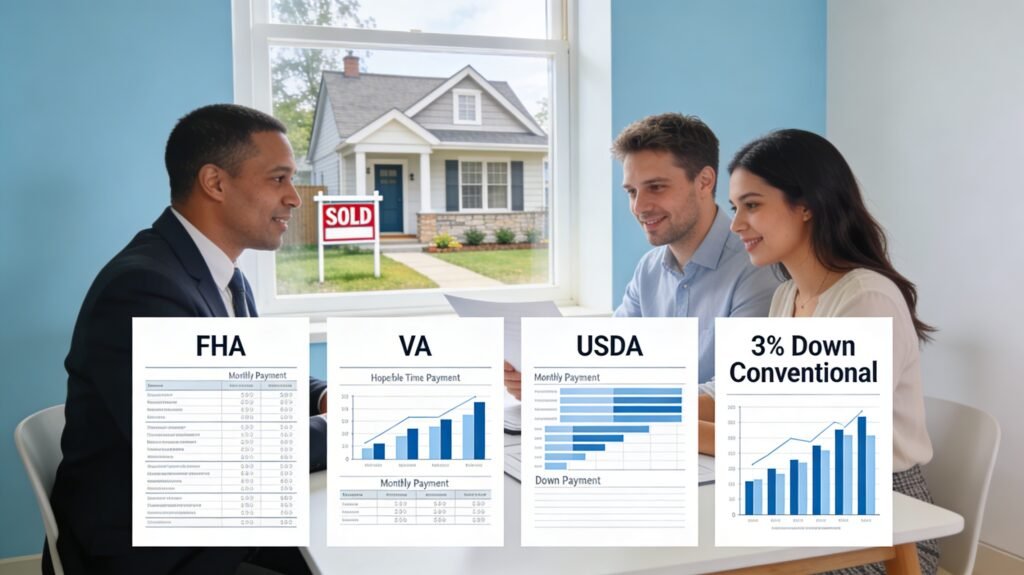
Affordable mortgages are still within reach for first-time homebuyers in 2025 and 2026, even with higher prices and interest rates—if you focus less on chasing “perfect” market conditions and more on using the loan programs and assistance that already exist for buyers like you. The most realistic path into a home today is not waiting for 3% rates to magically return, but combining low‑down‑payment mortgages (like FHA, VA, USDA, and Conventional 97) with state and local down payment assistance programs so you can get in with far less cash upfront and a monthly payment that actually fits your budget.
Start by defining what “affordable” means for your situation instead of blindly trusting whatever number a lender pre‑approves you for. Many buyers are more comfortable keeping their total housing costs in the 25–30% of take‑home pay range, after factoring in not just principal and interest but also property taxes, insurance, HOA dues, and ongoing maintenance. From there, do a quick “mortgage‑ready” tune‑up: pay every bill on time, pay down high‑interest credit cards to lower your debt‑to‑income ratio, and avoid new loans right before applying so you can qualify for better rates and more favorable terms. Even modest improvements in your credit score can shave your interest rate, which translates into tens of thousands of dollars saved over the life of a 30‑year loan and lower monthly payments from day one.
Once your basics are in shape, learn the main first‑time buyer mortgage types and how they fit different financial profiles. FHA loans, backed by the Federal Housing Administration, let you buy with as little as 3.5% down and a credit score starting around 580, making them a popular choice for buyers with thinner credit or past hiccups, though you will pay mortgage insurance for as long as you keep the loan. VA loans (for eligible veterans and service members) and USDA loans (for qualifying rural and some suburban areas) can offer 0% down, competitive rates, and no or reduced mortgage insurance, often making them the lowest‑cost options if you qualify. For buyers with stronger credit, 3%‑down “Conventional 97” programs like Fannie Mae’s HomeReady and Freddie Mac’s Home Possible can be very attractive, because their private mortgage insurance can eventually be removed once you hit 20% equity instead of lasting for the life of the loan.
Your next lever is down payment assistance (DPA), which can quietly turn a “maybe in a few years” purchase into a “this year” deal. Every U.S. state and many cities and counties offer grants, forgivable second mortgages, or low‑interest loans that help cover down payment and closing costs for first‑time or first‑generation buyers who meet income and price limits. Some headline programs can cover 5–20% of the purchase price, and many only require you to live in the home for a set number of years before the assistance is fully forgiven. Lenders who specialize in first‑time buyers, along with state housing finance agency websites, can help you find the programs you qualify for and pair them with the right primary mortgage.
Finally, make lenders compete for your business instead of accepting the first quote. Get at least three official loan estimates from different lenders or brokers, then compare interest rate, APR, total monthly payment (including taxes and insurance), and closing costs side by side. A rate that is even 0.25% lower can save you thousands over time and noticeably shrink your monthly bill, especially on a 30‑year fixed mortgage. Choose a loan structure that matches your risk tolerance—most first‑time buyers do best with a 30‑year fixed rate for predictability—and avoid stretching to the absolute maximum approval number just because a computer says you qualify. With a realistic budget, the right loan product, and smart use of assistance programs, affordable homeownership in 2025–2026 is not a myth—it is a math problem you can actually solve.