Physical Address
304 North Cardinal St.
Dorchester Center, MA 02124
Physical Address
304 North Cardinal St.
Dorchester Center, MA 02124

Becoming a food blog photographer is a realistic way to earn 50,000 dollars or more per year if you treat it as a business, not just a creative hobby. Food bloggers and food brands constantly need bright, mouth‑watering images for recipes, ebooks, courses, and social media, and many prefer to outsource photography so they can focus on writing, SEO, and content strategy. When you combine strong technical skills with a focused portfolio and clear offers, you can position yourself as the go‑to photographer for busy bloggers who want professional visuals without shooting everything themselves.
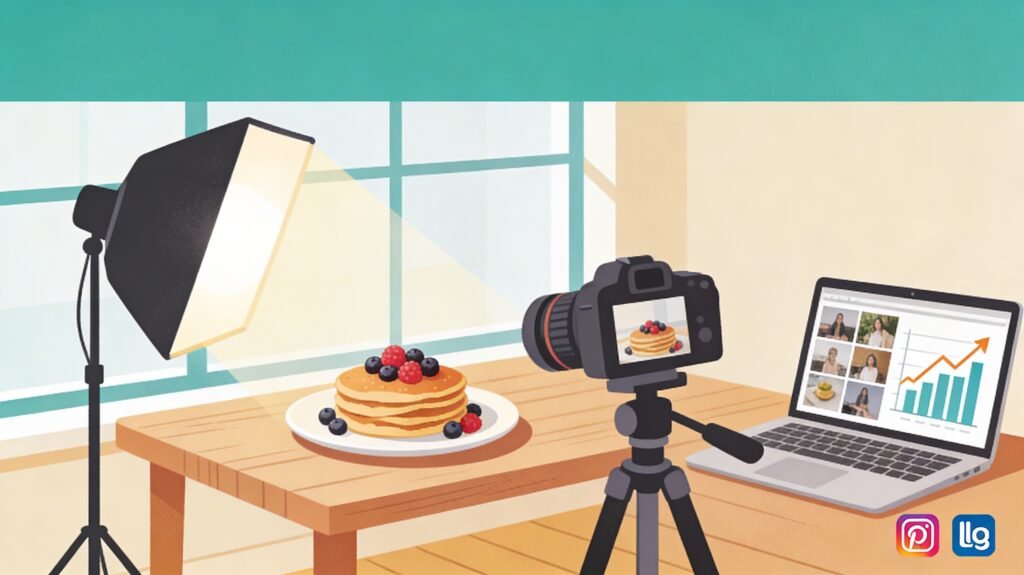
The first step is understanding the food blog photography niche. Unlike traditional commercial food photography, this work is geared toward blogs, Pinterest, and social media. You’ll be shooting step‑by‑step process photos, hero shots of finished dishes, and vertical images optimized for Pinterest and Instagram. Many food blog photographers work entirely from home, cooking or styling in their own kitchen and delivering images digitally, which keeps overhead low and makes the business highly flexible. To get started, you don’t need the most expensive camera, but you do need to learn manual mode, exposure, focus, composition, food styling, and lighting with natural window light, plus basic editing in tools like Lightroom or Photoshop. Practicing daily on your own meals and experimenting with overhead, 45‑degree, and close‑up shots helps you reach the point where you can consistently create sharp, appetizing images that match the clean, bright style most food bloggers prefer.
Next, you’ll need a portfolio that speaks directly to food bloggers. Aim for 20–30 strong images that look like they belong on modern food blogs, with variety across breakfasts, mains, desserts, drinks, healthy recipes, and comfort food. Include multiple formats—hero images, process shots, and Pinterest‑friendly verticals—so clients can imagine using your work in blog posts, opt‑ins, and social content. You can build this portfolio by cooking and styling your own recipes, doing discounted or free test shoots for a few local cafés or bakers, and collaborating with small bloggers in exchange for testimonials and permission to use the images. Host everything on a clean website and maintain a curated Instagram or Pinterest feed, since many clients will find and judge you there first.
To actually reach 50,000 dollars a year, you need clear services and pricing. For food bloggers, that often means per‑recipe packages (a set number of final images plus step‑by‑step photos), monthly retainers for a fixed number of recipes, and add‑ons like social crops, vertical pins, and ebook covers. Intermediate food photographers commonly charge 75–150 dollars per dish or 800–2,000 dollars per brand session, with higher rates for advertising usage. As a blog specialist, you might charge 250–400 dollars per recipe shoot or 1,000–2,000 dollars per month for ongoing content. A simple path to 50,000 dollars could be four clients paying 1,000 dollars a month (48,000 dollars a year) plus a few one‑off projects, or a mix of smaller clients that average roughly 4,200 dollars per month. To fill your client list, actively market yourself: search Instagram and Pinterest for bloggers in niches you like (vegan, baking, gluten‑free, etc.), engage genuinely with their content, and send short, personalized pitches linking to a mini portfolio that matches their style. Network in food blogging Facebook groups and forums where bloggers openly ask for photography help, and always use clear contracts, defined usage rights, and on‑time delivery so first‑time clients become long‑term ones.
As you grow, focus on turning a side hustle into a stable business. Systematize your workflow for planning shoots, shopping, cooking, styling, editing, file delivery, and backup so you can handle more work without burning out. Gradually raise your rates as your work and demand improve, and consider specializing further—baking, cocktails, healthy recipes, or cozy comfort food—so you become the obvious choice for that niche. Over time, you can add complementary income streams like presets, styling guides, mini‑courses, or mentoring for beginner food photographers. With 6–12 months of focused skill‑building and portfolio work, followed by consistent marketing and steady refinement, it’s completely realistic to build a food blog photography business that earns 50,000 dollars a year or more from your own kitchen studio.