Physical Address
304 North Cardinal St.
Dorchester Center, MA 02124
Physical Address
304 North Cardinal St.
Dorchester Center, MA 02124

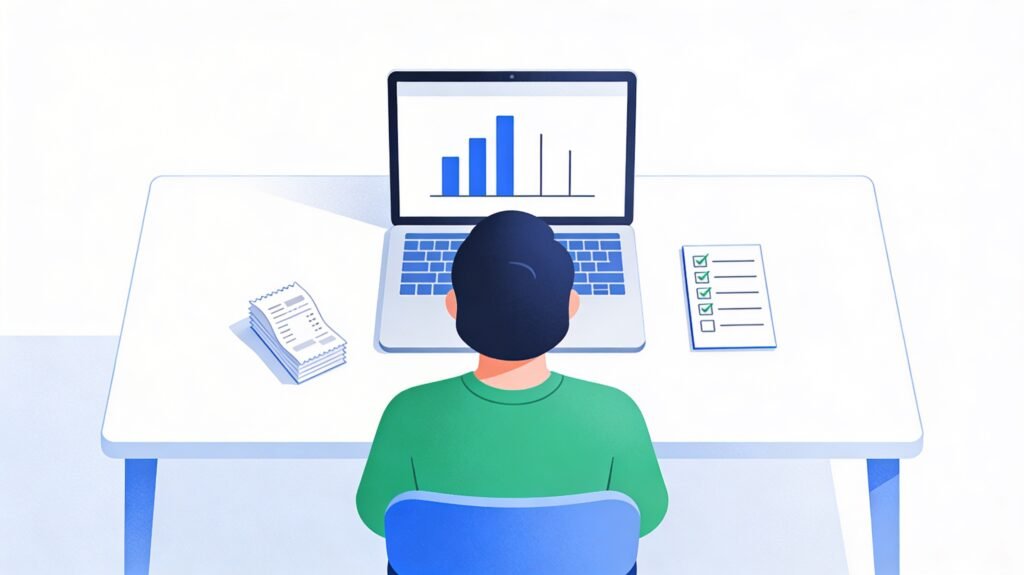
Bookkeeping is one of the best careers for beginners who want a flexible, stable, and practical way to earn money. You do not need a college degree or years of experience to get started. With the right plan, you can learn the basics, practice your skills, and begin working as a bookkeeper in less than a year. For organized people who enjoy working with numbers and details, bookkeeping can become a reliable side hustle or even a full-time career.
A bookkeeper helps businesses keep track of their financial activity. This includes recording income and expenses, organizing receipts, sending invoices, reconciling bank accounts, and preparing simple reports like profit and loss statements. While accountants usually handle taxes and high-level financial planning, bookkeepers focus on the day-to-day financial records that keep a business running smoothly. This makes bookkeeping an essential role for small businesses that need accurate and updated records.
The first step is understanding what the job involves. Before starting, it is important to know that bookkeeping is about accuracy, organization, and consistency. If you enjoy checking details, staying organized, and completing structured tasks, this could be a great fit for you. You do not need advanced math skills, but you should feel comfortable with basic numbers and simple calculations.
The next step is learning the fundamentals of bookkeeping. Start by understanding important concepts like assets, liabilities, income, expenses, accounts payable, and accounts receivable. It also helps to learn how debits and credits work and how financial reports are created. There are many free and low-cost resources online that can help beginners build this knowledge from home.
After that, focus on bookkeeping software. Most modern businesses use digital tools such as QuickBooks, Xero, Wave, or FreshBooks. QuickBooks is especially popular among small businesses, so it is a smart choice for beginners. Learning how to enter transactions, create invoices, reconcile bank statements, and run reports will make you much more valuable to potential employers or clients.
Practice is one of the most important steps. You can create a fictional business and enter sample transactions to simulate real bookkeeping work. This helps you build confidence and understand how the process works from start to finish. Even if you have not worked with a real company yet, practice projects can still help you show your skills.
You may also consider earning a beginner bookkeeping certificate. Certification is not always required, but it can help you stand out and show that you are serious about the field. Once you feel ready, start gaining experience by helping a friend, family member, or small business with simple bookkeeping tasks.
Finally, build a resume and decide whether you want to look for a job or start freelancing. Many beginners start with part-time clients or entry-level bookkeeping assistant roles. Over time, you can improve your skills, specialize in certain industries, and increase your income.
Becoming a bookkeeper with no experience is absolutely possible. With steady learning, software practice, and real-world experience, you can turn bookkeeping into a flexible and rewarding career.