Physical Address
304 North Cardinal St.
Dorchester Center, MA 02124
Physical Address
304 North Cardinal St.
Dorchester Center, MA 02124

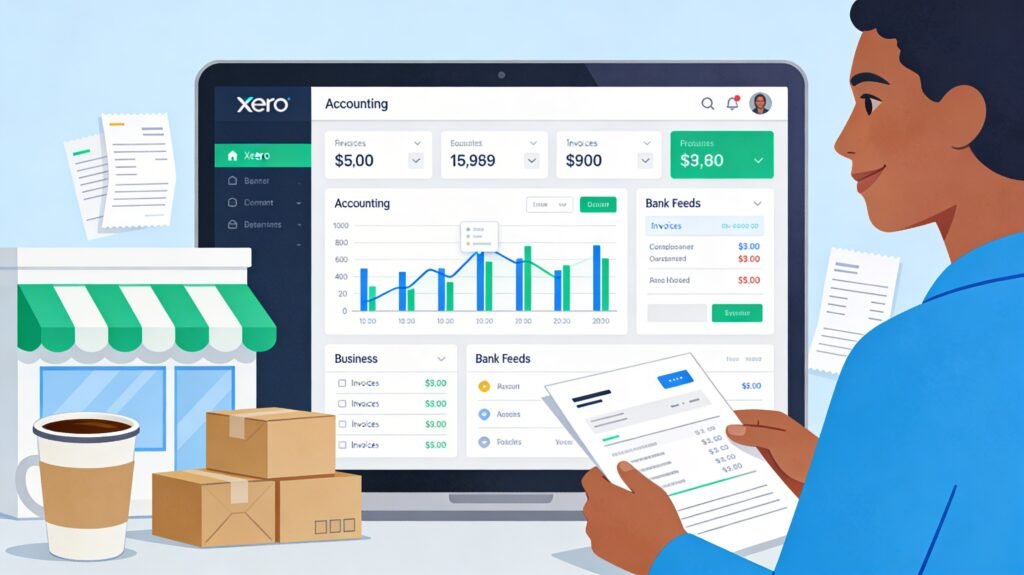
Xero is one of the most popular cloud accounting tools for small business owners because it combines simplicity, automation, and strong collaboration features. It’s designed for people who want to manage invoicing, expenses, bank reconciliation, and reporting without using complicated desktop software. But while Xero is a great fit for many businesses, it isn’t automatically the “best” choice for everyone. The right decision depends on your business size, your location, and how advanced your accounting needs are.
Xero is 100% online accounting software built for small and growing businesses. Because it’s cloud-based, you can access your accounts from any device, connect your bank accounts, and share access with your accountant or bookkeeper in real time. This makes it ideal for business owners who want up-to-date financial data without sending spreadsheets back and forth.
Xero also supports a large ecosystem of third-party integrations. That means you can connect it to tools you already use for payments, e-commerce, inventory, or reporting—helpful if you want your systems to work together smoothly.
The biggest value of Xero comes from time-saving features that reduce manual work:
Xero usually offers tiered plans (often three main options). Entry-level plans may have limits on invoices and bills, while higher plans add features like multi-currency support and more advanced tools. Prices vary by country and promotions are common, and Xero typically offers a free trial so you can test the platform before committing.
Pros:
Cons:
Xero is often chosen for its unlimited users, clean design, and predictable collaboration. QuickBooks Online is often preferred by businesses that want deeper built-in reporting, more customization, and broader official support—especially in the U.S.
Xero is an excellent accounting solution for small business owners who want easy cloud accounting with strong invoicing, bank automation, reporting, and team access. If you need advanced customization, strong phone support, or region-specific payroll features, you may want to compare alternatives. The best move is to use the free trial and see if Xero fits your workflow.