Physical Address
304 North Cardinal St.
Dorchester Center, MA 02124
Physical Address
304 North Cardinal St.
Dorchester Center, MA 02124

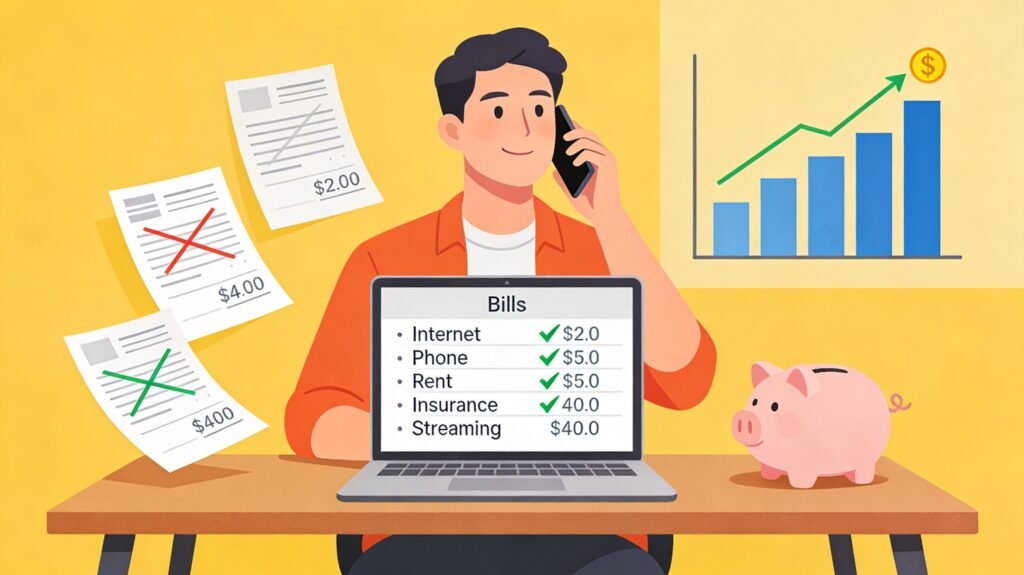
Many of the monthly bills you think are fixed are actually flexible, and companies are often more willing to lower your costs than you’d expect—especially if it means keeping you as a paying customer rather than losing you to a competitor. Internet, cable, phone, insurance, and subscription providers spend heavily to acquire new customers, so when you call with a calm, confident script, mention competing offers, and ask to speak with customer retention or cancellation departments, you suddenly gain real leverage to unlock loyalty discounts, promo rates, and unadvertised plans. The same principle applies beyond utilities: landlords value stable tenants over turnover, hospitals often prefer a negotiated payment or lump sum to sending your bill to collections, and credit card companies will sometimes lower your APR to stop you from transferring your balance to a rival card. Even if each negotiation only trims 10–20 dollars from a bill, those small wins compound into hundreds of dollars in annual savings that you can redirect toward debt payoff, savings, or investments—without taking on extra work or sacrificing your quality of life.
At the core of successful bill negotiation are three simple rules: prepare your leverage, stay polite but firm, and be willing to walk away if the numbers do not improve. Spend a few minutes researching competitor deals, gathering your recent bills, and checking how long you’ve been a customer so you can clearly explain why you deserve a better rate. When you call, skip basic customer service and ask directly for the retention or cancellations team, since they often have special authority to apply deeper cuts, waive fees, or re‑price your plan entirely. From there, follow straightforward scripts that emphasize your loyalty, reference competing offers, and make it clear—without being rude—that you’re prepared to cancel if you cannot reach a fair price. Even in areas that feel intimidating, like medical bills or student loans, asking for an itemized statement, exploring payment plans, or requesting hardship options can turn a seemingly unmanageable balance into something you can realistically handle.
Over time, negotiating becomes less about confrontation and more about running your personal finances like a business: you review contracts, test markets, and refuse to overpay just because a company quietly raised your rate when a promo expired. Internet and cable companies often match or beat competitor rates, cell providers may offer cheaper loyalty plans or autopay discounts, and gym or software subscriptions almost always push special offers the moment you initiate cancellation. Landlords may soften rent increases for reliable tenants who offer a longer lease term, while insurers can re‑rate your auto policy if your driving habits, mileage, or circumstances have changed. The fastest way to feel the impact is to block out one afternoon, pick one or two high‑impact bills, and make the calls using prepared scripts and numbers; once you see how effective it is, you’ll have the confidence to move down the list and systematically slash your monthly overhead.