Physical Address
304 North Cardinal St.
Dorchester Center, MA 02124
Physical Address
304 North Cardinal St.
Dorchester Center, MA 02124
Yotta began as a prize‑linked fintech savings app that tried to make saving money feel like playing the lottery. Instead of paying a high, predictable interest rate like a traditional high‑yield savings account, Yotta gave users “tickets” into weekly prize drawings every time they deposited money, usually 1 ticket for every 25 dollars saved. Those tickets could win small daily and weekly cash prizes and, in theory, jackpots in the multimillion‑dollar range, all without risking your principal. Behind the playful interface, customer deposits were actually held at partner banks such as Evolve Bank & Trust, and Yotta advertised FDIC insurance up to 250,000 dollars per depositor through those banks. For a time, typical users could see effective returns in the 1.5–2.5% range when you combined the base interest rate with average prize winnings, which made Yotta more attractive than many brick‑and‑mortar savings accounts.
The “save to win” structure was designed to solve a real psychological problem: people love gambling and jackpots but hate slow, boring saving. By giving out entries into prize drawings instead of traditional rewards points, Yotta tapped into lottery behavior while still keeping deposits nominally safe in FDIC‑insured accounts. Each week, users could open the app, check their numbers, and see whether they had won extra money on top of their normal balance, which created a built‑in habit loop around saving. For a while, this gamified model made Yotta a favorite among personal finance bloggers and YouTube creators who liked the idea of turning an emergency fund into something more exciting without technically “investing” in risky assets.
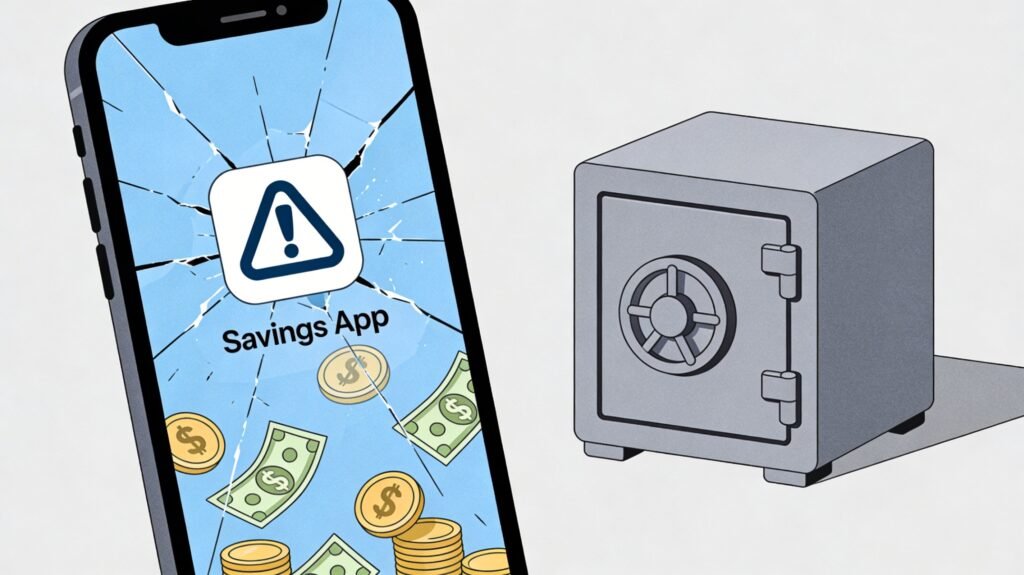
In 2024, Yotta’s situation changed dramatically, and the app’s original value proposition as a safe prize‑linked savings tool largely collapsed. Multiple finance writers and reviewers reported that Yotta stopped paying the kinds of rewards it once did on savings balances, paycheck deposits, and debit card spending, which instantly made it far less competitive than standard high‑yield savings accounts at established online banks. At the same time, Yotta users began experiencing serious problems accessing their money because of the failure of Synapse, a key “middleware” provider that sat between Yotta and its partner banks and handled much of the ledger and plumbing.
When Synapse entered bankruptcy and its infrastructure broke down, tens of thousands of customers across multiple fintech apps—including Yotta—found their funds frozen in pooled accounts that could no longer be cleanly matched to individual users. By mid‑2024, some long‑time Yotta customers publicly pulled their savings, warned others to stay away, and documented months of technical issues, inconsistent communication, and uncertainty about when or whether they would fully recover their money. What had originally looked like a clever way to earn a bit more than a normal savings account suddenly exposed a deeper risk: relying on unregulated tech intermediaries layered between you and the actual FDIC‑insured bank.
Given everything that happened in 2024, Yotta no longer looks like a safe place to store savings, especially emergency funds you cannot afford to lose access to. Reports suggest roughly 85,000 users were locked out of around 112 million dollars in deposits after the Synapse collapse, with funds tied up in ongoing legal and operational tangles instead of being available on demand. Independent review sites note that Yotta holds an F rating with the Better Business Bureau and a very low Trustpilot score, reflecting a flood of complaints about missing balances, frozen withdrawals, and poor support. While Yotta still points to FDIC‑insured partner banks in its marketing, the reality for many customers has been that this theoretical protection did not translate into quick, simple restitution.
For savers in 2024 and beyond, Yotta has effectively gone from a quirky, somewhat interesting prize‑linked account to a cautionary tale about fintech risk. If you like the idea of gamified saving, or you are simply chasing better yield on cash, a safer approach is to work directly with reputable banks or credit unions that clearly carry FDIC or NCUA insurance in their own names, without a complex chain of middlemen. Always verify the institution on the FDIC website yourself, and avoid parking large amounts of money in any app whose structure, partners, and regulatory protections you do not fully understand—no matter how fun or gamified the interface looks.